
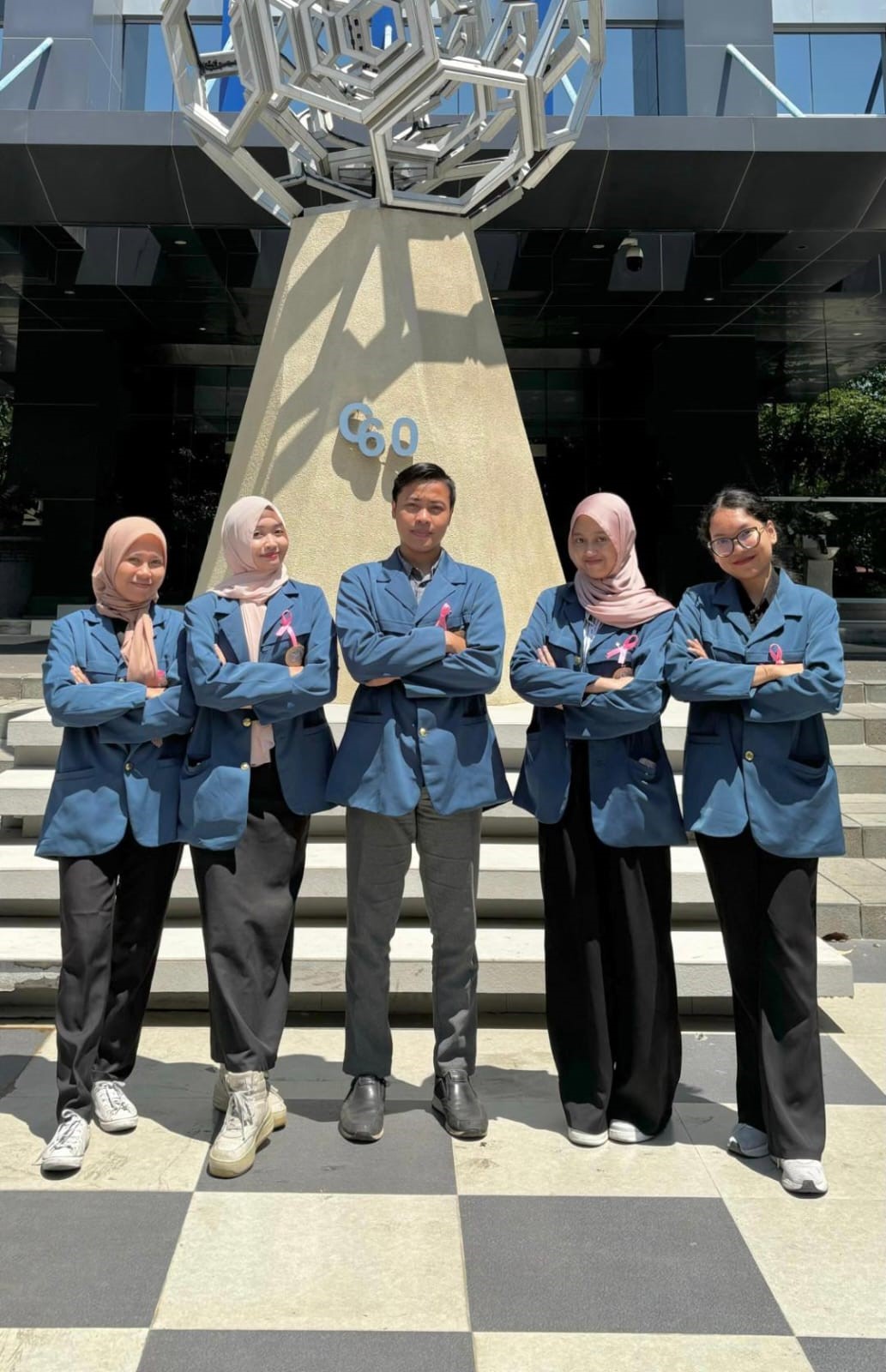
Research Group : Roy (2023), Ove (2023), Cita (2023), Nanda (2023) dan Fairuz (2023)
Background: From Anxiety to Solution
Breast cancer remains a serious health threat in Indonesia. Although medical treatment has become increasingly advanced, most existing therapies still focus on killing cancer cells. Unfortunately, the side effects cannot be ignored, one of which is a weakened immune system. This condition makes patients more susceptible to other diseases, thus reducing their quality of life.
Starting from this concern, a group of students from the Faculty of Pharmacy, Airlangga University (FF UNAIR) tried to offer a new approach: what if cancer treatment not only targeted cancer cells but also maintained the patient's immune system? This question then led to the birth of a research idea based on natural ingredients, namely dragon fruit peel.
From Creative Idea to Funding: First Steps Toward PIMNAS
Thanks to their creative idea and high sense of urgency, their Student Creativity Program – Exact Research (PKM-RE) proposal successfully secured funding to proceed to the National Student Scientific Week (PIMNAS). This opportunity provides a crucial stepping stone for the team to develop more serious research, while also proving that Indonesia's local potential can be leveraged to become a real solution to global health problems.
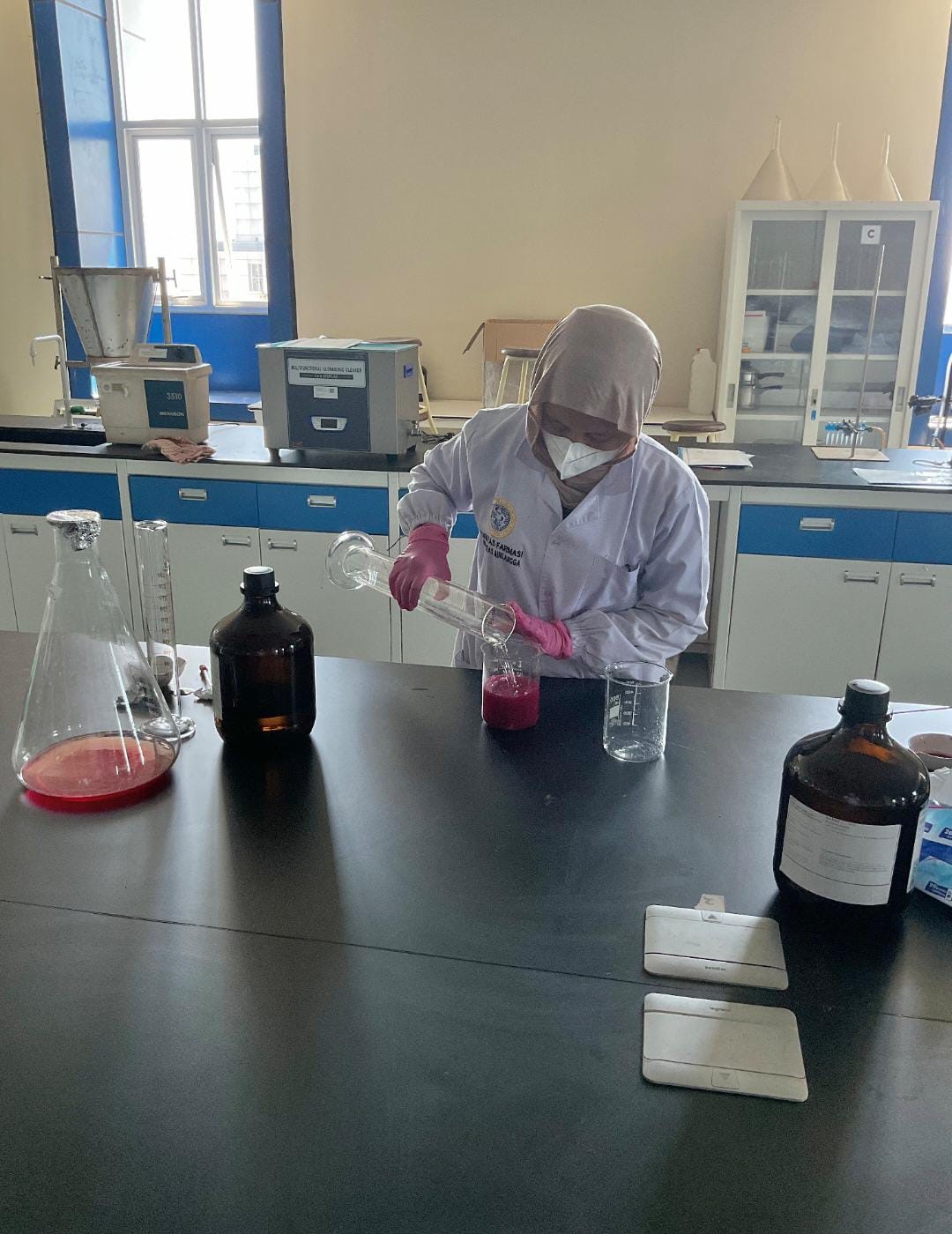
UNAIR Faculty of Medicine Students' Innovation: Dragon Fruit Peel, Transformed from Waste into New Hope for Breast Cancer Treatment
Why Dragon Fruit Peel?
The choice of dragon fruit peel was not without reason. East Java is known as one of the largest dragon fruit producing regions in Indonesia. During each harvest, large quantities of dragon fruit peel are usually discarded as waste. However, behind that distinctive purplish-red color are valuable bioactive compounds, such as flavonoids, polyphenols, and betacyanins, which have great potential as anticancer and immunomodulatory agents.
By utilizing materials previously considered useless, the team not only found a health solution but also contributed to waste management into value-added products.
The Role of Nanophytosomes in Research
To maximize the benefits of dragon fruit peel, the team went beyond just using ordinary extracts. They developed nanophytosomes, a nanoparticle-based drug delivery system. This technology allows the active substances in the extract to be delivered more precisely, more stably, and with higher bioavailability than conventional forms.
With this nanotechnology approach, it is hoped that dragon fruit peel extract will not only be able to kill breast cancer cells through apoptosis induction but also help boost the patient's immune system. This is what makes it so valuable compared to current cancer therapies.
Anticancer and Immunomodulatory Mechanisms
The bioactive compounds in dragon fruit peel have a dual role. First, as anticancer agents, these compounds can trigger programmed death (apoptosis) in cancer cells, thereby suppressing their growth. Second, as immunomodulators, these compounds can help maintain the balance and strength of the body's immune system.
The combination of these two is expected to produce a therapy that is not only effective but also safer for patients.
Challenges Faced
The research journey has certainly not always gone smoothly. One major obstacle is time. "The research, conducted during normal class hours, made it somewhat difficult for us to balance our time between class and research," said the research team.
Expectations and Impact of the Research
The team hopes that the results of this research will open new avenues in breast cancer treatment. If this in vitro research proves successful, it is possible that it will be further developed, ultimately resulting in a therapeutic product that benefits the wider community.
In addition to offering new hope for cancer patients, this research also aligns with Sustainable Development Goals (SDGs) point 3: Good Health and Well-Being, which emphasizes the importance of good health and well-being for all. Furthermore, through their innovation and brilliant ideas, they also support the realization of SDG 9, "Industry, Innovation, and Infrastructure."
Author: Delsyad Muhammad Koosha Alzer (2024)
Editor: PR of Faculty of Pharmacy UNAIR


