
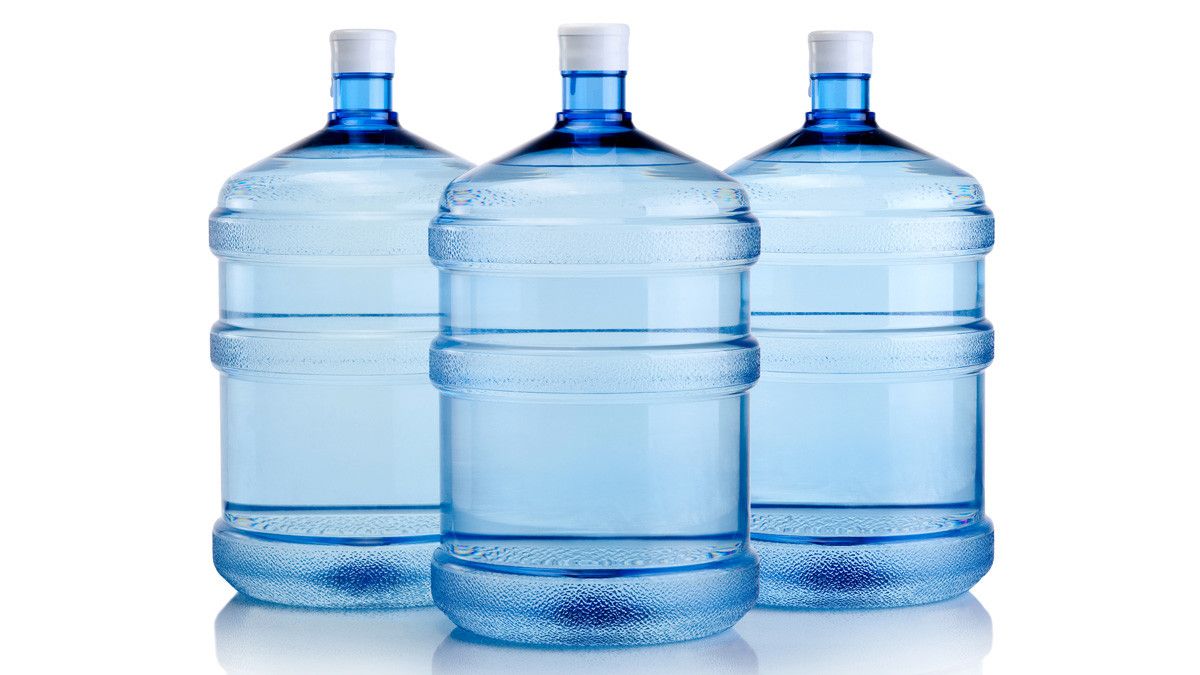
Bisphenol-A (BPA) is a chemical used in polycarbonate plastic packaging. This material is the best choice to be used as a raw material for containers that function to make plastic not easily destroyed. For example, gallons of mineral water, some canned food, and household items such as water pipes use this material.
But unfortunately, in addition to its advantages, according to several studies, BPA has a side that is harmful to the human body. Therefore, the Food and Drug Monitoring Agency (Badan POM) conducts a scientific-based study (policy brief), which includes a study of BPA safety, health economic impacts, environmental impacts, and social impacts. The dangers of BPA were also demonstrated by the European Food Safety Authority (EFSA) study, which re-evaluated BPA risks in 2021. The EFSA Panel on Contact Materials, Enzymes, and Processing Aids (CEP) proposes a new BPA (tolerable daily intake or TDI) of 0.04 nanograms/kgBW/day.
The research conducted by the Dean of the Faculty of Pharmacy, Universitas Airlangga (FF UNAIR), Prof. apt. Junaidi Khotib, M.Kes., Ph.D., entitled “The Impact of Bishpenol-A Exposure on Brain Development and Mental Development Disorders” also shows how dangerous BPA is.
Prof. Junaidi said exposure to BPA can cause the development and physiology of the neuroendocrine hypothalamus and control of energy balance to be impaired, and the memory learning process in the hippocampus also decreases. The results of his studies show that BPA causes complex damage by involving hormonal and epigenetic pathways. "Development and physiology of the neuroendocrine hypothalamus and control of energy balance are impaired, and the learning process of memory in the hippocampus has decreased," he said.
As a reminder, Prof. Junaidi also said that the dangers of BPA should be a thought and warning of health problems that will occur when exposure to BPA occurs continuously. The potential effects of BPA on brain function are enormous and complex, because the resulting changes can then lead to both organic and behavioral changes in organisms.
He is determined to encourage public education in choosing food or beverage products that use BPA-free primary packaging. In addition, it is also necessary to provide assistance to producers in increasing "customer awareness" through efforts to maintain product safety from exposure to BPA compounds, so that controlling and monitoring the use of packaging can be carried out properly.
According to him, the Authorization Agency in licensing food and beverage products also needs to be balanced not to ignore the opportunity for exposure to hazardous BPA materials through labeling the primary packaging of food and beverages.


