
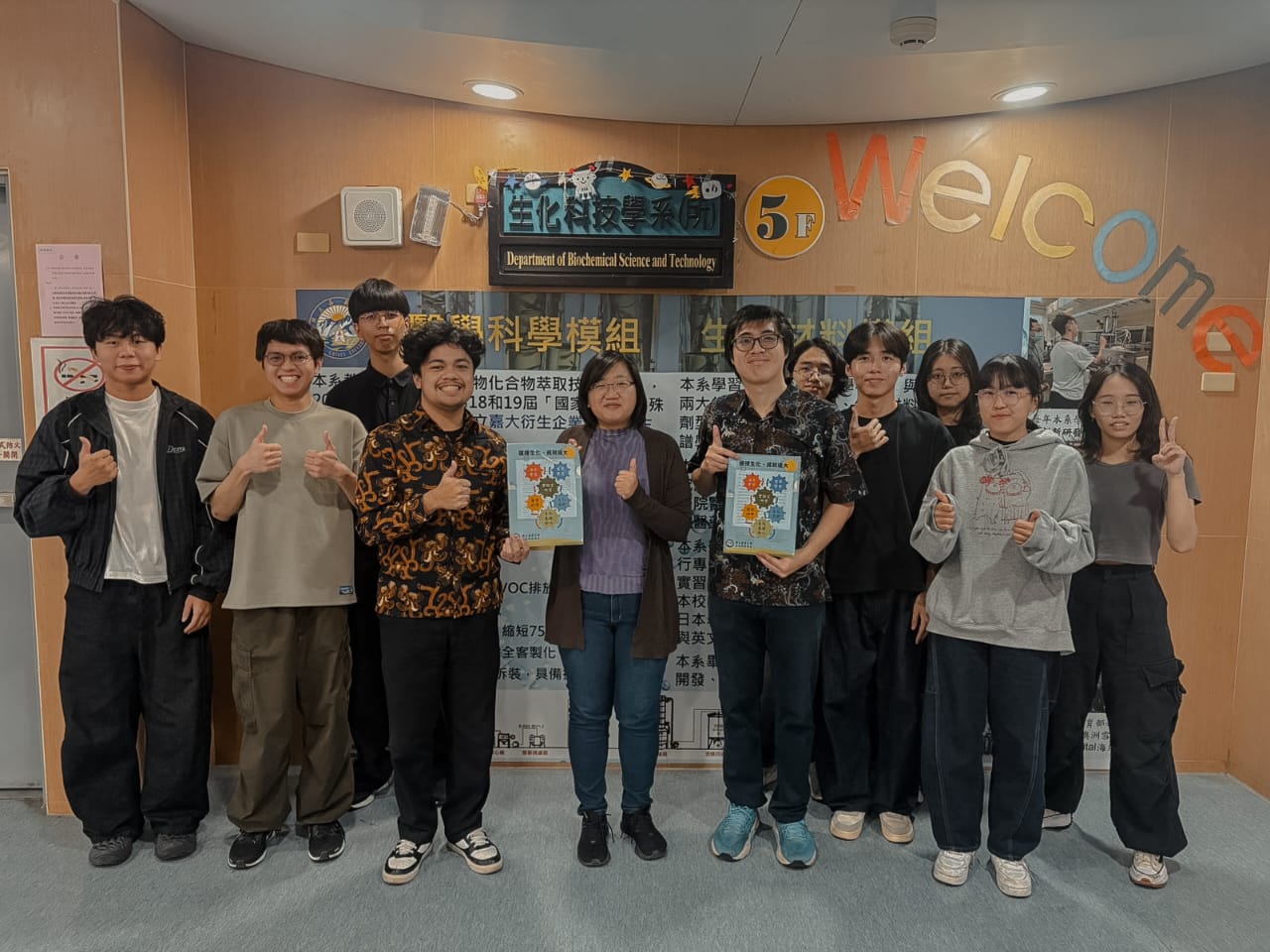
The Taiwan Experience Education Program (TEEP) 2025 has reopened and is becoming one of the most sought-after international opportunities for Indonesian students. This program, organized by the Taiwanese Ministry of Education, is an initiative to expand academic networks and attract young talents from various countries, including Indonesia, to participate in research, competency development, and cross-cultural experiences at Taiwanese universities. One of the universities offering this program is National Chiayi University.
As an institution with an international reputation, the Faculty of Pharmacy, Universitas Airlangga (FF UNAIR) actively forges partnerships with various international universities. One partner with a close relationship with FF UNAIR is National Chiayi University in Taiwan. FF UNAIR and National Chiayi University (NCYU) have repeatedly collaborated in academics and research. The student outbound program also serves as concrete evidence of the strong collaboration between the two institutions.
In this program, students sent to NCYU were Kevin Hermawan Hutahaean and Jevon Samuel Sabariman. Both are undergraduate pharmacy students, graduating in 2022. They completed a three-month research program at NCYU, from September 1, 2025, to November 30, 2025. Each student conducted research on the development of traditional medicines as anti-inflammatory and anti-aging agents from natural ingredients found in Indonesia. In this research, two plants were used: the hibiscus flower (Hibiscus rosa-sinensis L.) and the Andaliman fruit (Zanthoxylum acanthopodium DC.).
Kevin and Jevon conducted their research at NCYU using in vitro methods. For anti-inflammatory testing, macrophage and melanoma cell cultures were used. The macrophage cell culture served as an anti-inflammatory research model by suppressing the excessive production of inflammation-inducing molecules. The melanoma cell culture served as a research model for lightening agents by inhibiting melanogenesis in the skin. Ultimately, this research was used to support the final project of both students' theses.
Through this research collaboration, FF UNAIR contributes to the achievement of SDGs 17, namely Partnership for the Goals. In addition to broadening students' academic horizons, this activity is expected to yield broader benefits for the development of science, particularly in examining the potential use of natural materials for the health sector, which is also in line with SDGs 3.


