Breaking the Boundaries of Innovation: The Story Behind an IoT-Based Fatigue Measurement Tool Created by Students from Across Fa
12 June 2025
Breaking the Boundaries of Innovation: The Story Behind an IoT-Based Fatigue Measurement Tool Created by Students from Across Faculties
Innovation is born not only from technological sophistication, but also from sensitivity to reading needs
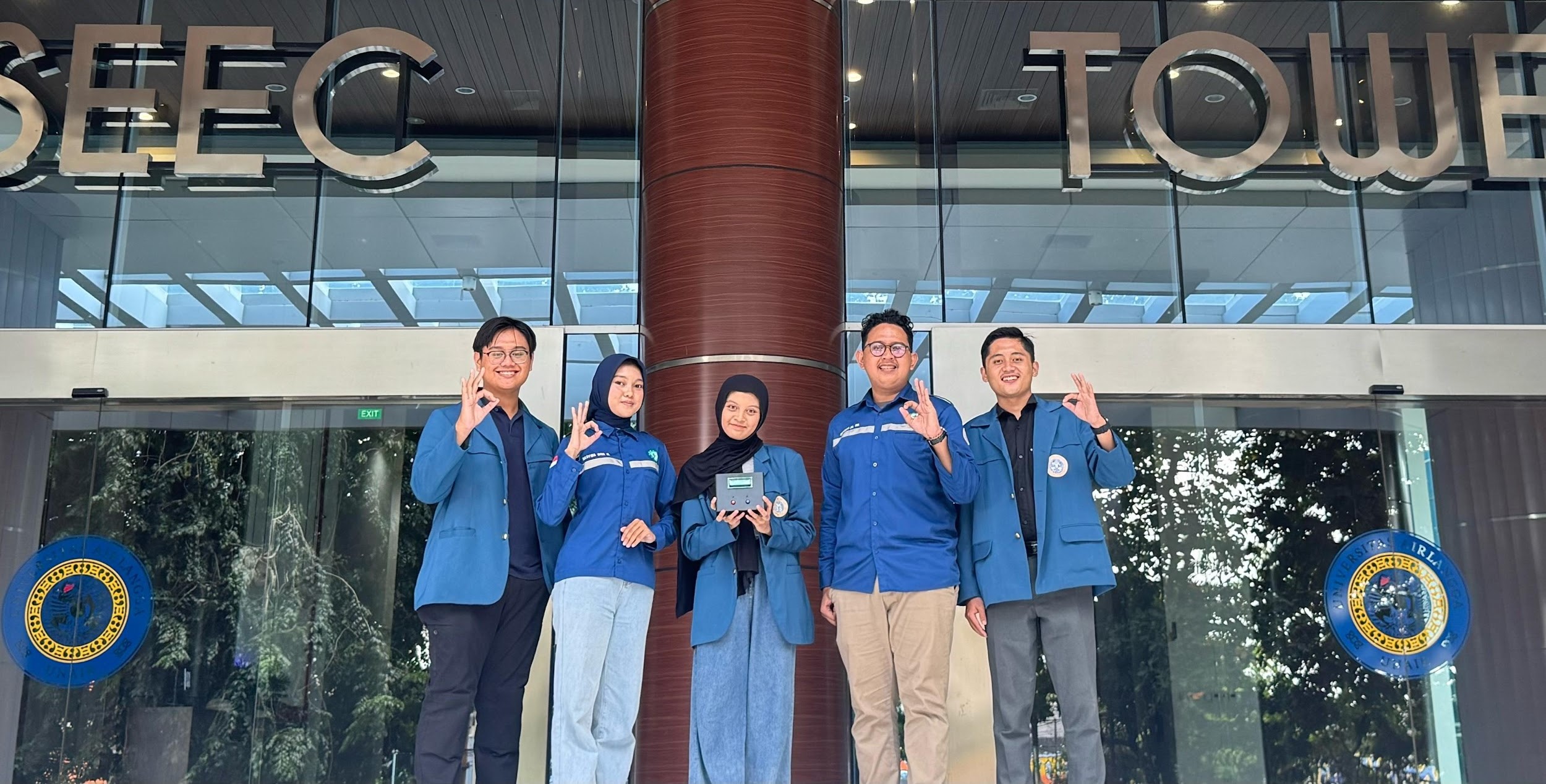
That is the spirit carried by Imamul Azis, a student of the Faculty of Pharmacy, Airlangga University (FF UNAIR) class of 2024 and his team when they created a work fatigue measuring tool that they brought to an international competition. This tool is not just a project, but an answer to a real need in the world of work that often ignores the aspect of fatigue as an indicator of productivity. "Similar tools actually already exist, such as reaction time testers, but the prices are not pocket-friendly. We want to present a solution that is more affordable but still accurate," said Azis. The mechanism of this tool measures a person's response time and cognitive speed to a stimulus, which is then analyzed as an indicator of work fatigue.
Simple but effective. With this approach, fatigue measurement technology can be accessed more widely, especially by institutions or small companies that need to monitor worker conditions regularly. From Research Interest to the International Stage. Azis' interest in the world of research has grown since high school. His desire to join the research UKM on campus, Garuda Sakti (GS), was initially held back due to concerns about time management. However, his desire did not fade. As a compromise, he decided to intern at the UKM and that's where he met Mas Al, a 2023 UNAIR Faculty of Vocational Students. The meeting was not just to expand his network, but also became the beginning of the formation of Kopi Ilmiah, a relaxed but idea-filled research discussion community.
"Through Kopi Ilmiah, we can discuss research ideas freely. Many things that started out as casual chats turned out to develop into something serious and had the potential to be brought to competitions," he recalled.
Cross-Faculty Collaboration: Challenges and Opportunities
The team that Azis formed did not come from the same scientific background. They came from different faculties, namely Pharmacy, Science and Technology (FST), and Vocational Studies. This collaboration actually became the main strength. Each faculty brought a different perspective on research, and from there came complementary ideas. "It turns out that the research approach from Pharmacy is different from FST and Vocational Studies. But that actually enriches the process and makes our innovation stronger and more comprehensive," he said. However, cross-faculty teamwork is also not without challenges. Time coordination is the main obstacle. In addition, the differences in character between team members from humble to individualistic are a challenge in themselves. But all of that actually trains them to adapt to each other and build more open communication.
International Debut and Lingering Feelings
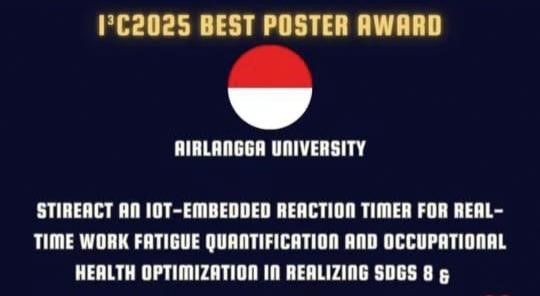
This event was Azis' first experience performing on the international stage. There was certainly a sense of pride, but more than that, Azis felt unsatisfied. He saw that there was still a lot of room to perfect the innovations they had brought. "I realized that national journals alone are not enough. We must start reviewing more indexed and reputable international literature, such as those in Scopus," he said. He also felt lucky to have a supervisor who also served as Vice Chancellor, who gave him a lot of guidance and new perspectives in assessing scientific papers.
When seeing the innovations and works of participants from various countries such as Malaysia, Brunei, Thailand, and Singapore, feelings of inferiority enveloped him. But Azis quickly learned that feelings of inferiority would only be a barrier if they were maintained. "They came not only to seek experience, but also to bring a great name. But we can do it too. Feeling inferior is natural, but don't let it defeat our spirit," he said confidently.
Hopes Bigger Than Just Medals
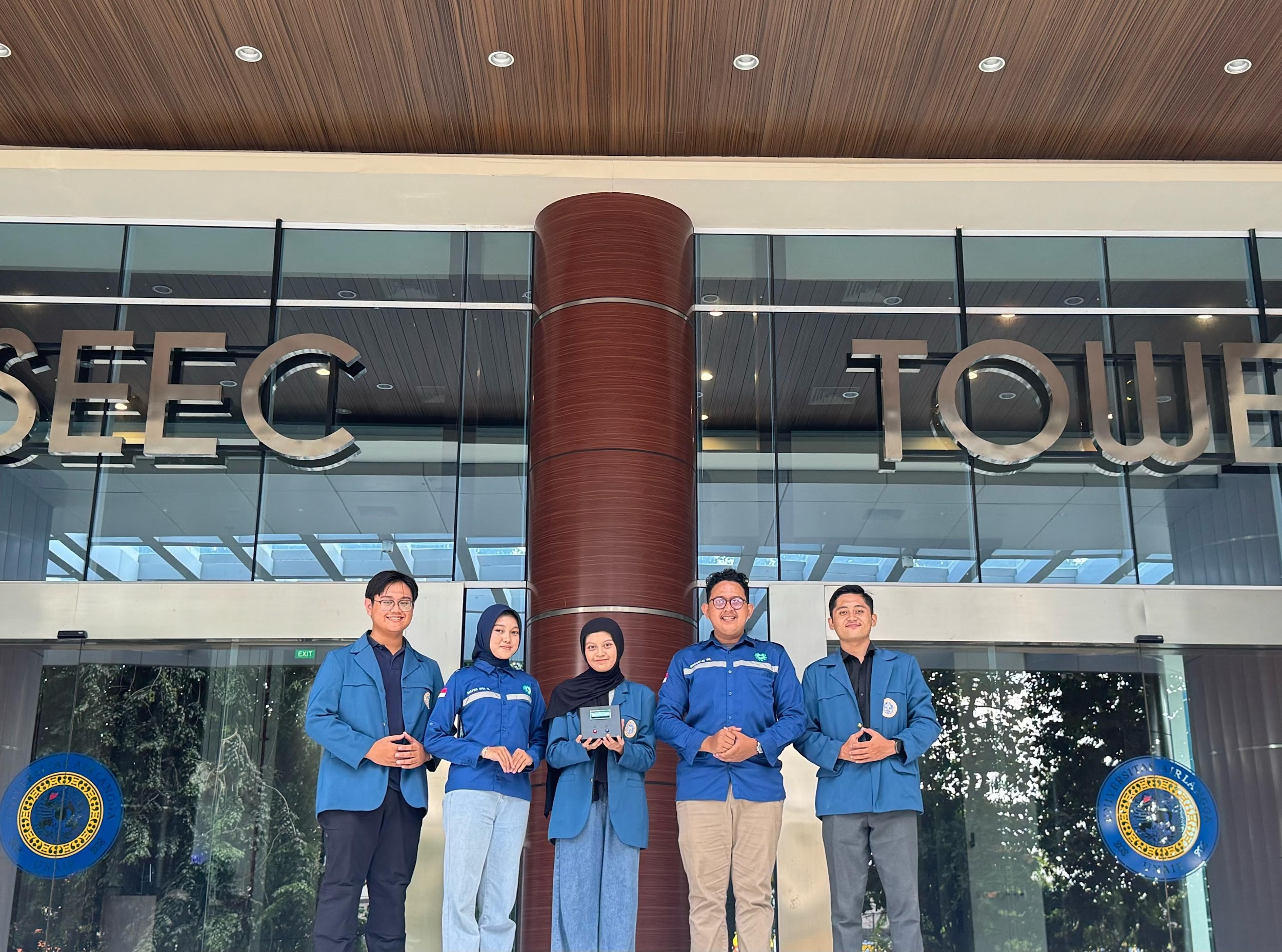
Azis closed his story with a simple but meaningful hope. He wants what he does not stop at himself, but can be an encouragement for other students, especially from the Faculty of Pharmacy. "We are not only carrying our personal name, but also the name of the faculty. So, don't be satisfied too quickly. Keep innovating and contributing, because no matter how small our steps are, they can have a big impact if done with good intentions."
Students' Innovative Work as a Step Towards Global Goals
Who would have thought, from a casual chat in the Kopi Ilmiah research community, an innovation was born that was not only smart but also meaningful. The IoT-based work fatigue measuring device created by Azis and a cross-faculty team answers an important issue that is often overlooked: occupational health. This work is in line with SDG 3 on healthy living, and SDG 8 on decent work. Its affordable price makes it relevant to many groups, especially small businesses. Their cross-departmental collaboration also reflects the spirit of SDG 17: partnerships for goals, while the Kopi Ilmiah community supports SDG 4: quality education by encouraging a culture of discussion and research. From campus, they show that innovation can be simple, but have a big impact if done together and with a clear purpose.
Author: Delsyad Muhammad Koosha Alzer (2024)
Editor: PR Team of FF UNAIR