FF UNAIR Revives Tradition Through Herbal Medicine Exhibition to Celebrate National Herbal Medicine Day 2025
12 Juni 2025
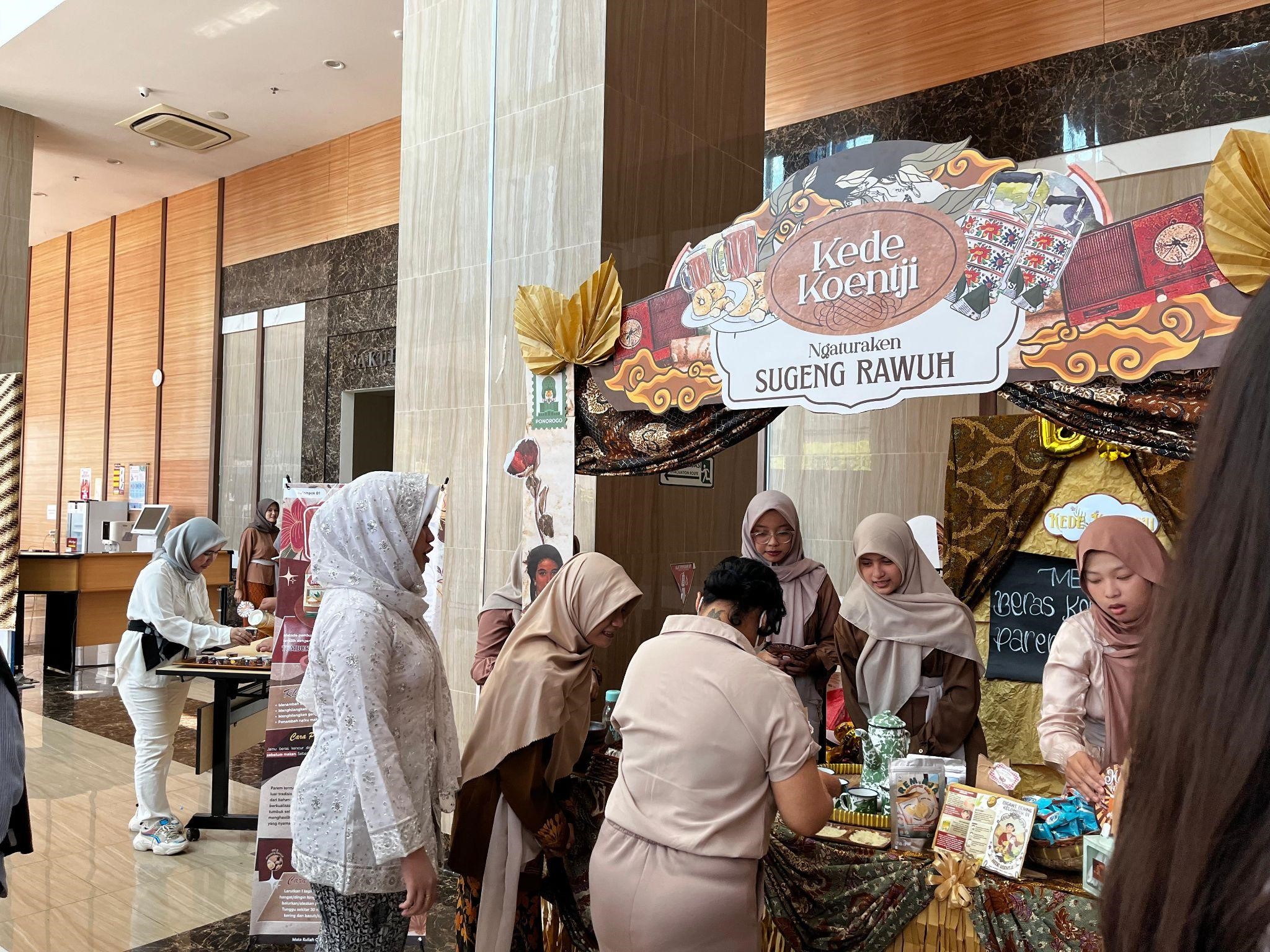 FF UNAIR Revives Tradition Through Herbal Medicine Exhibition to Celebrate National Herbal Medicine Day 2025
Indonesia is rich in herbal heritage that has been passed down from generation to generation, and the Faculty of Pharmacy, Universitas Airlangga (FF UNAIR) proves that this tradition remains relevant in the modern era. In the framework of National Herbal Medicine Day on May 27, 2025, FF UNAIR held a herbal medicine exhibition that was not just an ordinary exhibition, but a fascinating learning and cultural preservation event.
Herbal Medicine Exhibition: Implementation of Learning and Final Projects for Students
This exhibition is part of the implementation of the Traditional Medicine course as well as the final project of students of the 2022 Bachelor of Pharmacy study program. Each student group is responsible for mixing and displaying two types of traditional herbal products, which are divided into internal and external use. With the guidance of lecturers, they combine traditional methods with a modern pharmaceutical approach so that the resulting products are not only of high quality, but also safe and hygienic.
Variety of Traditional Herbal and Care Products Exhibited
Herbal Medicine for Internal Use
- Beras Kencur: Known for its sweet and refreshing taste, this herbal medicine uses rice and kencur as the main ingredients which are processed using the serkai pounding method.
- Herbal medicine made from Cabe Puyang: A special herbal medicine believed to increase stamina, also made using the serkai pounding method.
- Kunyit Asem: A product that goes through a decoction process to optimally extract the turmeric and tamarind essences.
- Kunci Sirih: Made using the infusion method, using betel leaves as the main ingredient which is known for its antiseptic properties.
Herbal Medicine for External Use
- Bengkuang Body Scrub: Made from bengkuang, pounded rice, and honey, this body scrub provides a cool sensation and a refreshing aroma to the skin.
- Parem: A traditional care product that helps overcome aches and pains because it is made from rhizomes that provide a warm feeling.
- Cold Powder: A traditional herbal medicine used to provide freshness and overcome skin irritation.
- Pilis: A traditional herbal medicine made from natural ingredients to relieve headaches.
The Manufacturing Process that Combines Tradition and Modern Science
The students follow the herbal medicine making process which begins with the stage of washing the raw materials carefully to ensure cleanliness. Next, the ingredients are dried and cut into pieces as needed before being processed. Traditional techniques such as serkai pounding, decocta, and infusion are used with a touch of modern pharmaceutical technology to maintain the quality and hygiene of the product. After the manufacturing process, the product is packaged with high hygiene standards so that it is ready to be exhibited and used.
Positive Responses Among Students
The exhibition received a warm welcome from students and visitors. One of the 2024 students expressed his admiration for the sweet and refreshing beras kencur herbal medicine, as well as the bengkuang scrub which gave a cooling and fragrant effect. Other visitors were also very impressed with the moist and fresh sensation produced by the bengkuang scrub, which uses a combination of natural ingredients such as bengkuang, pounded rice, and honey.
Indonesian Herbal Heritage: Still Alive and Thriving
This student's final project is not only proof that Indonesia's herbal heritage is still very relevant, but also shows how modern science can strengthen and develop the treasury of traditional medicine. This exhibition is expected to inspire the younger generation and the wider community to continue to preserve and appreciate Indonesia's herbal wealth.
Herbal Medicine and SDGs: Synergy of Tradition and Future
The Unair Faculty of Pharmacy herbal medicine exhibition directly supports several SDGs goals, such as SDG 3 which focuses on health and well-being through natural herbal products that help people live healthier. In addition, this activity supports SDG 4 on quality education by providing real practical experience for students. The development of herbal medicine products also opens up new economic opportunities in accordance with SDG 8, encouraging economic growth and employment based on local culture. Preservation of herbal ingredients supports SDG 15 on maintaining terrestrial ecosystems and biodiversity. Thus, this exhibition becomes a bridge between cultural preservation, science, and sustainable development.
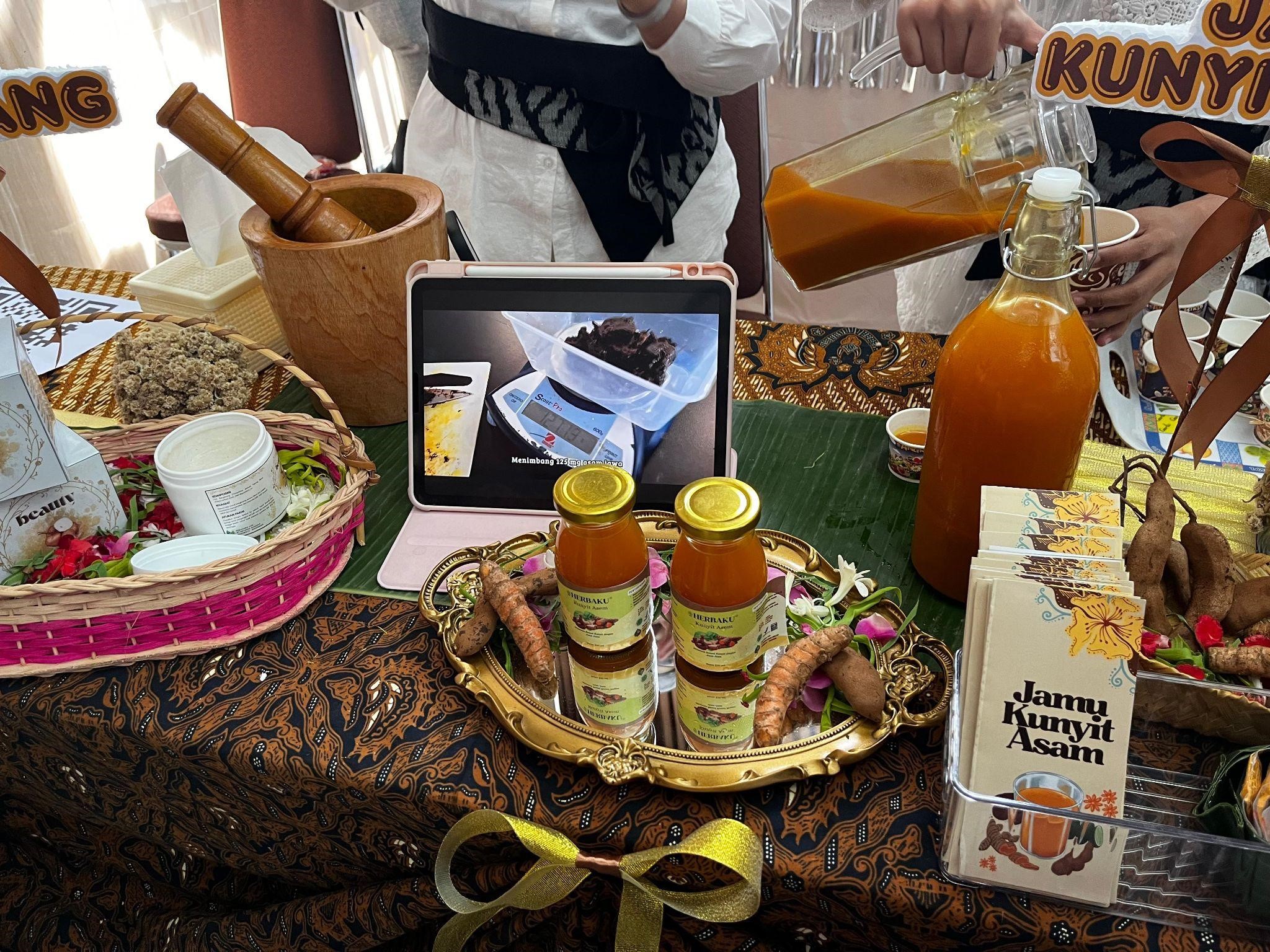 Herbal Medicine Products on Display
Author: Delsyad Muhammad Koosha Alzer (2024)
Editor: PR Team of FF UNAIR